

The Age of Economics project is an inquiry into the nature and logic of global economic civilization.
In what type of civilization are we living? Do we live in an Age of Economics - an age in which economic forces are among the dominant ones in our world, and in which economists exert a powerful influence in government policy and politics, business and finance, and society as a whole?
What are the visible and invisible rules and forces that affect and shape our daily lives and decisions?
How should we plan, make decisions and do our best to live a long and prosperous life in this system?
The great Chinese philosopher Confucious said that "the beginning of wisdom is to call things by their proper name".
What do we call global civilization? Is Capitalism the right name?
We think so, because one of the central organizing principles of the system is the accumulation of capital, which is as true in Brazil and the U.S. as it is in China and Australia, and almost all countries in between. Another critical question is whether the discipline of economics, as it is taught in the West, does a good job of explaining how capitalism works.
In this regard, we initiated the Age of Economic project by asking a diverse group of global thinkers their opinion on eight fundamental questions about economics and capitalist civilization. These questions were and are intended to explore the role of economics and the inner workings of capitalism, and to heighten people's awareness of both the economic system in which they live and work, and whether and how we can reform it to address the most important challenges of our time.
These eight questions include:
After a two-year break, we now continue with - and deepen and widen the Age of Economics project - to gain ideologically and geographically diverse perspectives on the threats facing global capitalist civilization on a planetary scale. These include Climate Change and wider environmental degradation, geopolitical conflict and economic security, extremely high degrees of inequality and poverty, extreme political movements, large and growing angst related to rapid technological change, and other problems resulting from an increasingly crowded planet whose underlying life-support systems are in decline. We are kicking off the next stage of our project with a series of interviews on diverse sibjects…
Read more
We are a non-commercial project, you can support us in any way you see fit.


















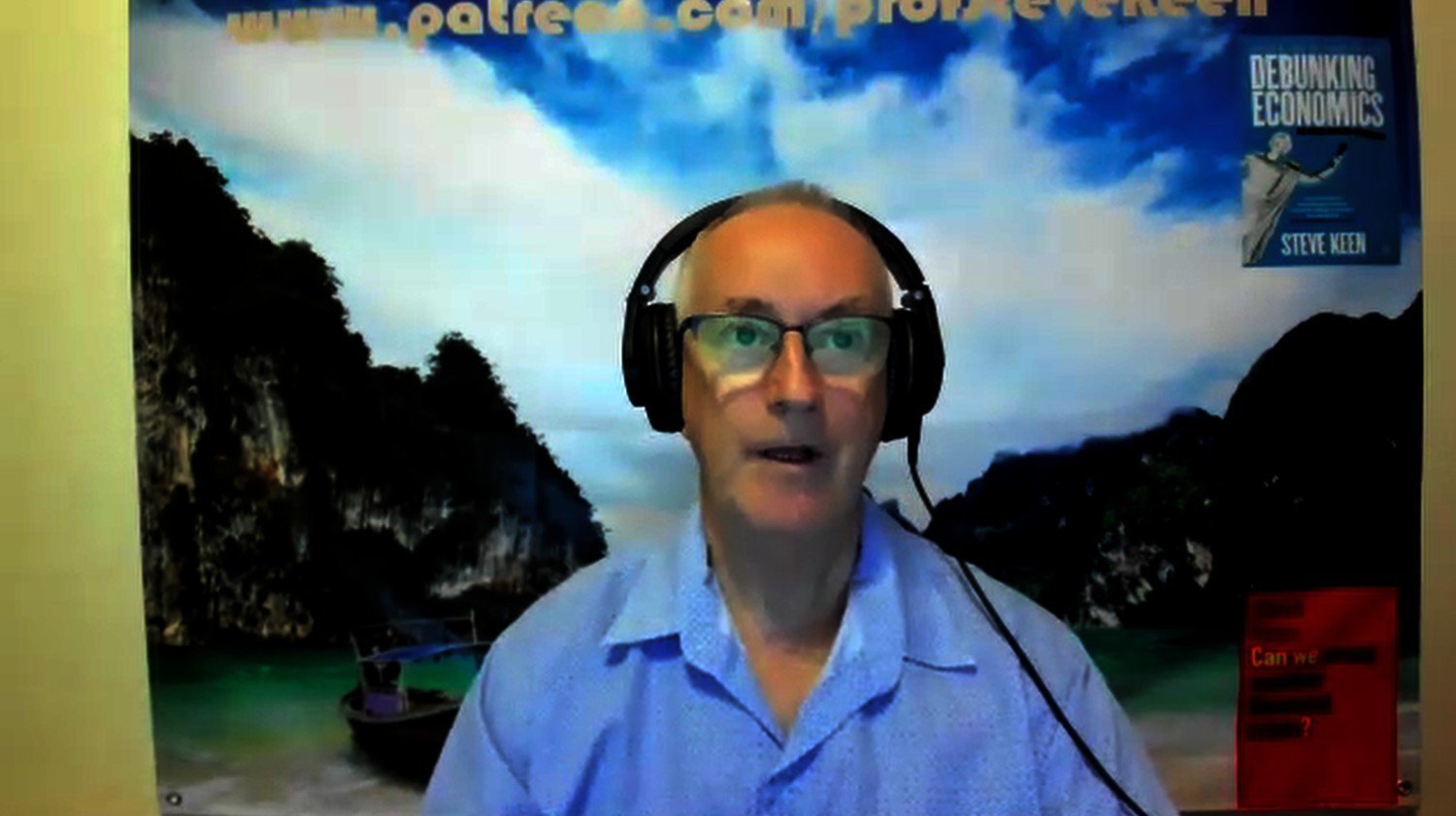


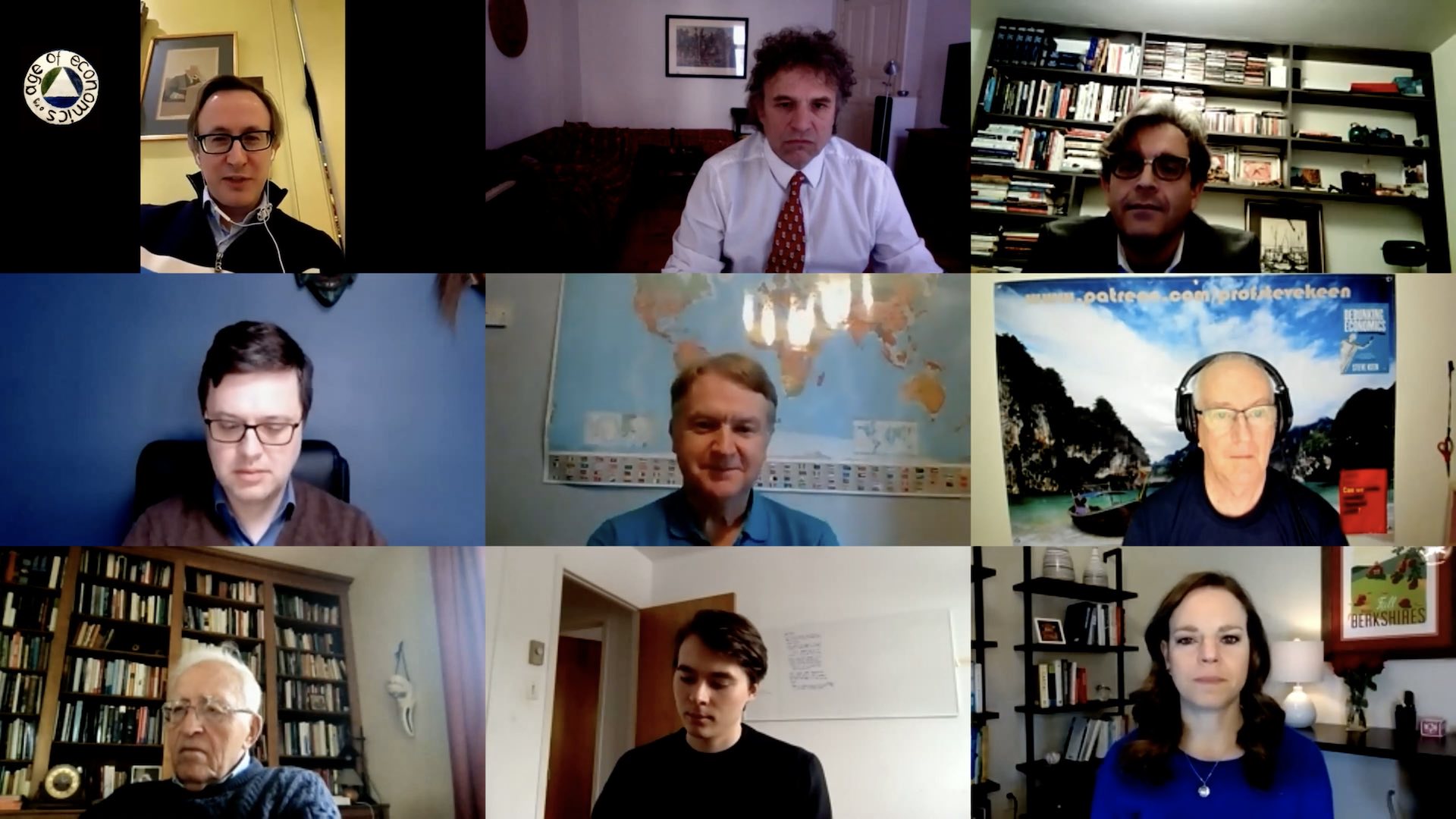
The core concept of Age of Economics is to gain the insights from as diverse a group of thinkers as possible about economics and global capitalist civilization. As the first part of this project, we are interviewing 52 thought leaders – some famous, some less-well-known – from across the world over 52 weeks. We began on November 1, 2020. Our overarching objectives are to go beyond economics as it is practiced in the West, East, North or South, to go beyond geography, culture, race, religion, politics, and geopolitics, to transcend the political spectrum, with the ultimate aim of seeking a greater understanding of and deeper insights into the civilizational air we breathing and the societal water we are drinking on a daily basis. We have 8 major question categories:
Why does economics matter?
What are the differences between economic science (academic economics) and economic engineering (policymaking)?
What role does economics play in society? Does it serve the common good?
Economics provides answers to problems related to markets, efficiency, profits, consumption and economic growth. Does economics do a good job in addressing the other issues people care about: climate change and the wider environment, the role of technology in society, issues of race and class, pandemics, etc.?
As we live in an age of economics and economists – in which economic developments feature prominently in our lives and economists have major influence over a wide range of policy and people – should economists be held accountable for their advice?
Does economics explain Capitalism? How would you define Capitalism?
No human system to date has so far been able to endure indefinitely - not ancient Egypt or Rome, not Feudal China or Europe, not the USSR. What about global Capitalism: can it survive in its current form?
Is Capitalism, or whatever we should call the current system, the best one to serve the needs of humanity, or can we imagine another one?